






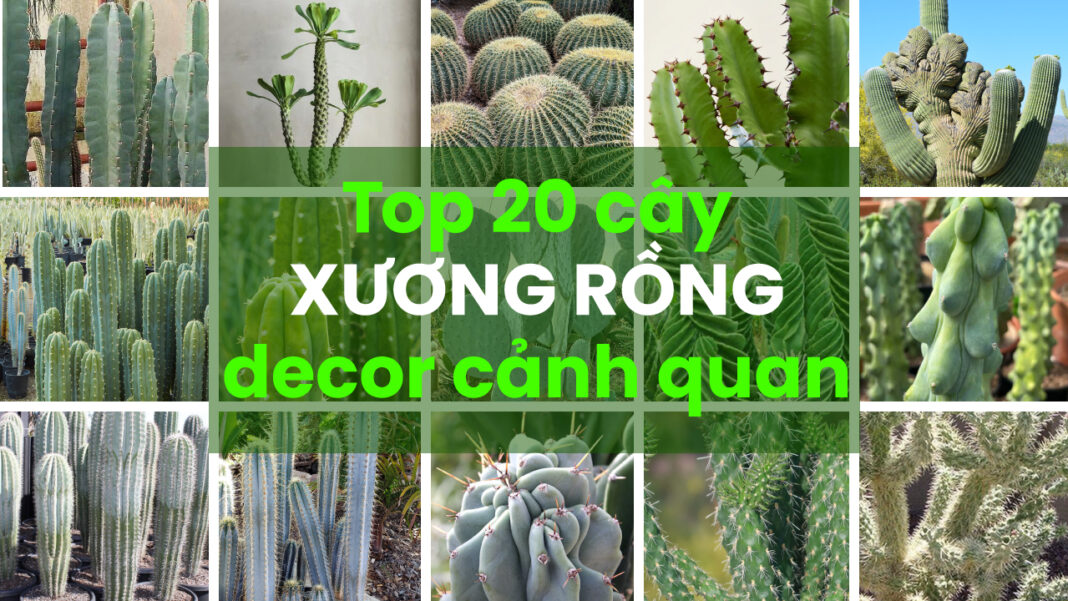
Cactus is a great choice for landscape decoration, bringing wild and unique beauty to the living space. To help you choose the most suitable cactus, I would like to summarize the 20 most popular types of cactus for landscape decoration, combined with images for you to easily visualize.
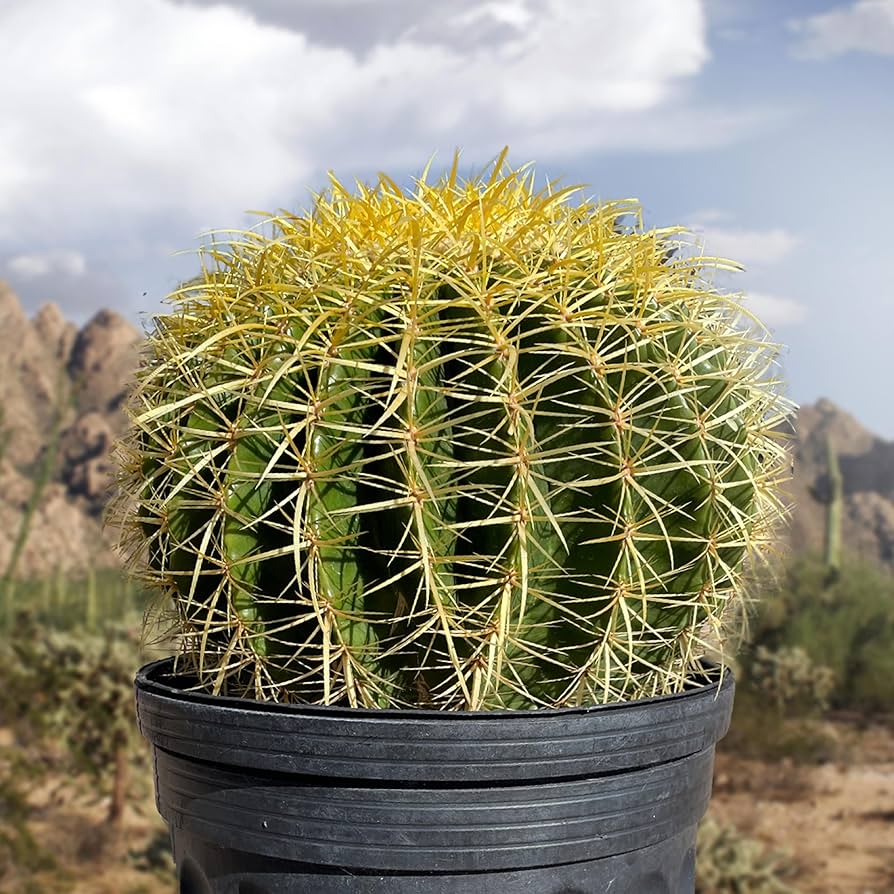
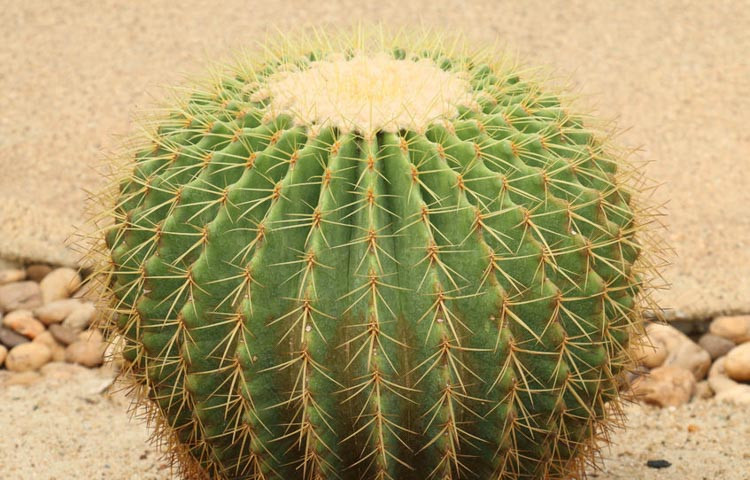
1. Echinocactus grusonii
Echinocactus grusonii, also known as Kim Ho cactus, is one of the most popular cacti in the world. With its unique appearance and high adaptability, this plant has conquered the hearts of many bonsai lovers.
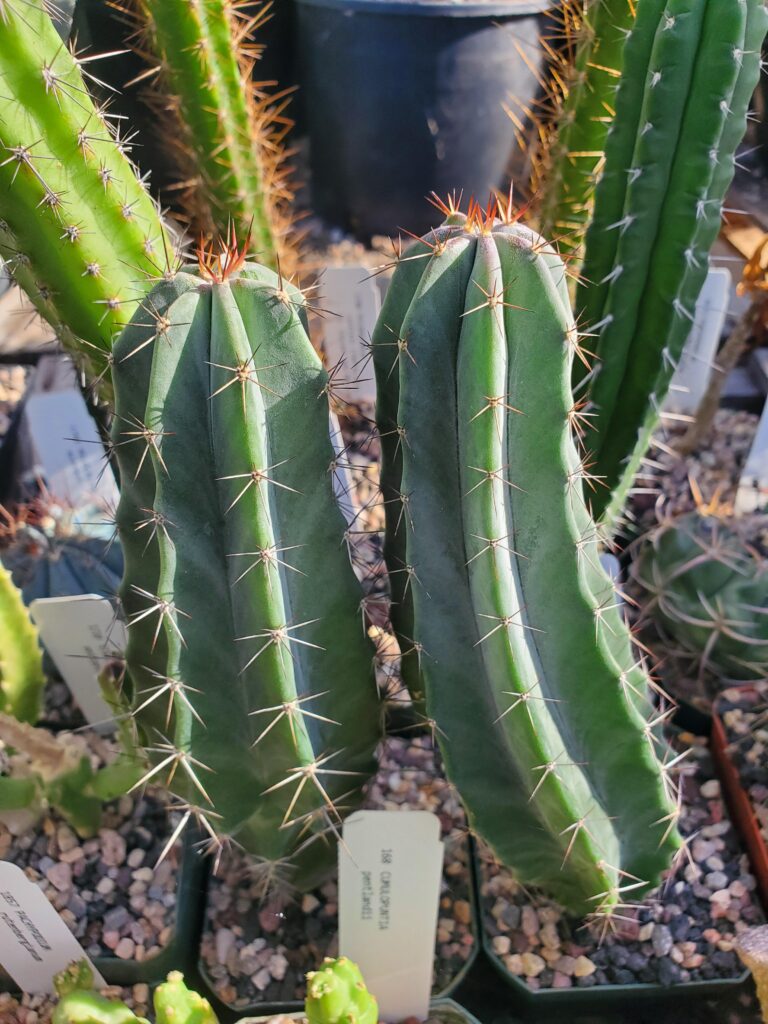
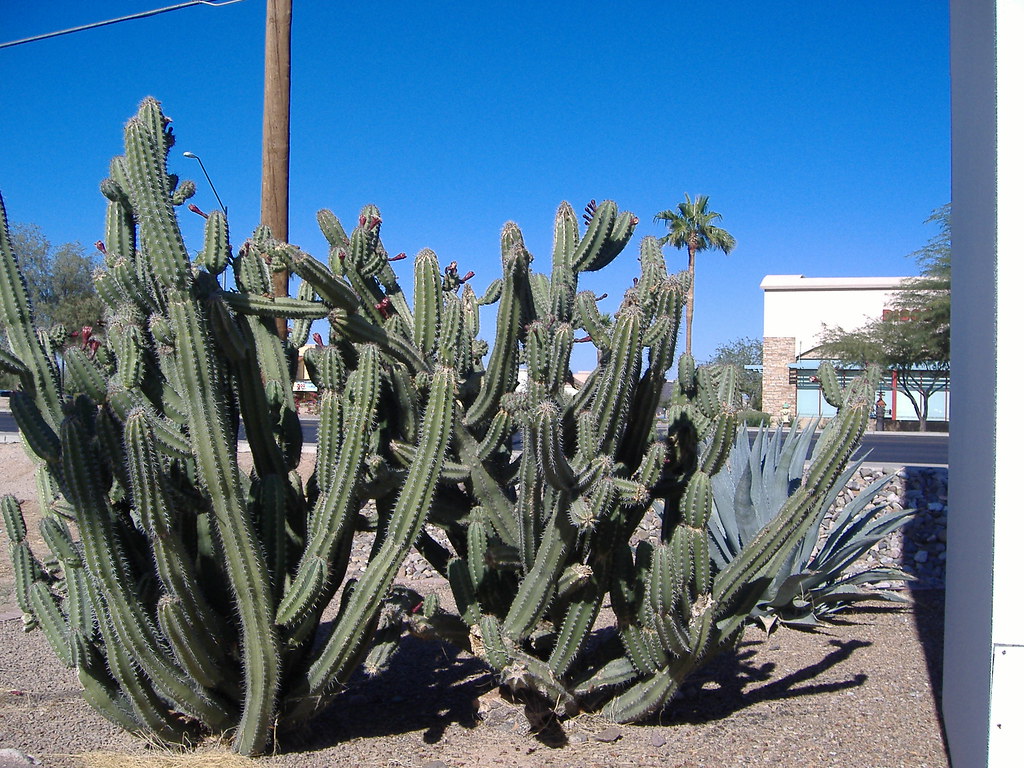
2. Stenocereus huastecorum pillar cactus
Stenocereus fimbriatus is a columnar cactus endemic to the Caribbean. With its unique shape and adaptability, this plant has become an important part of the ecosystem and culture of the region.
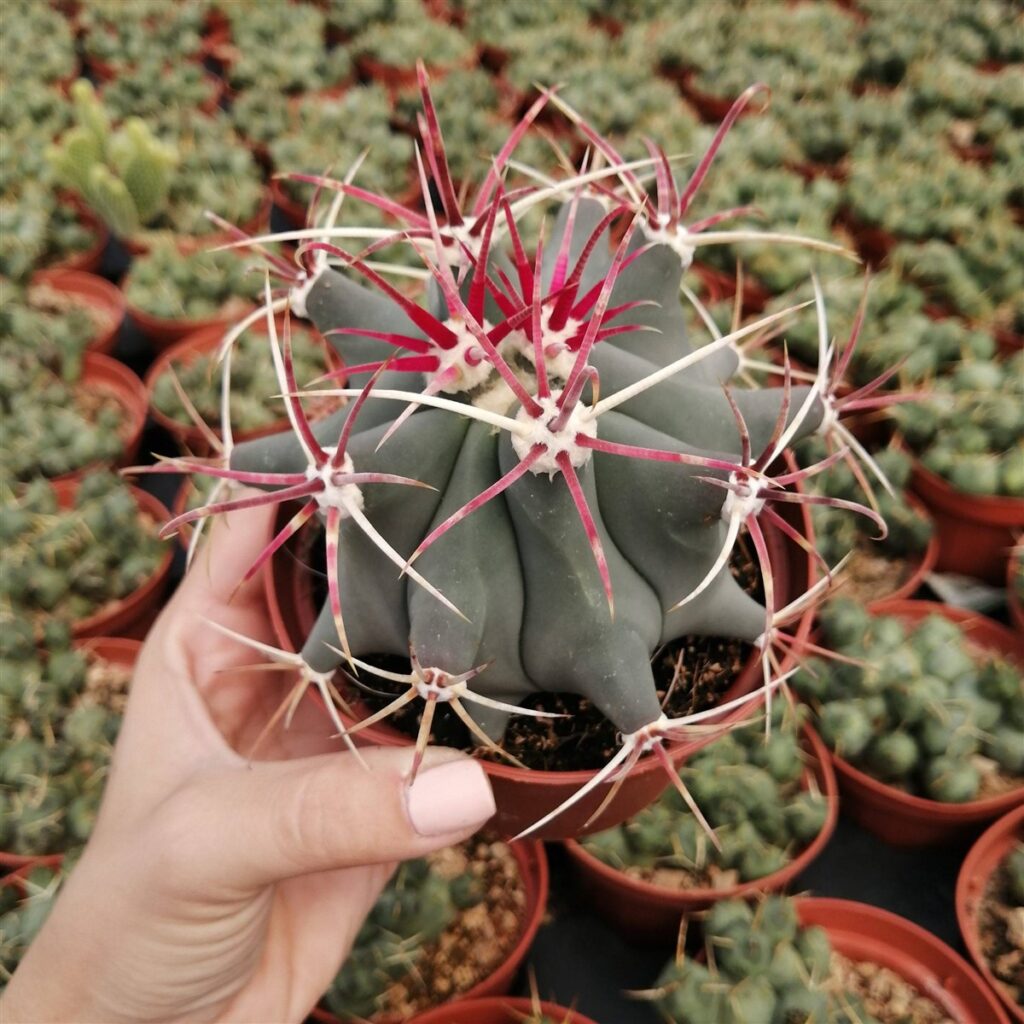
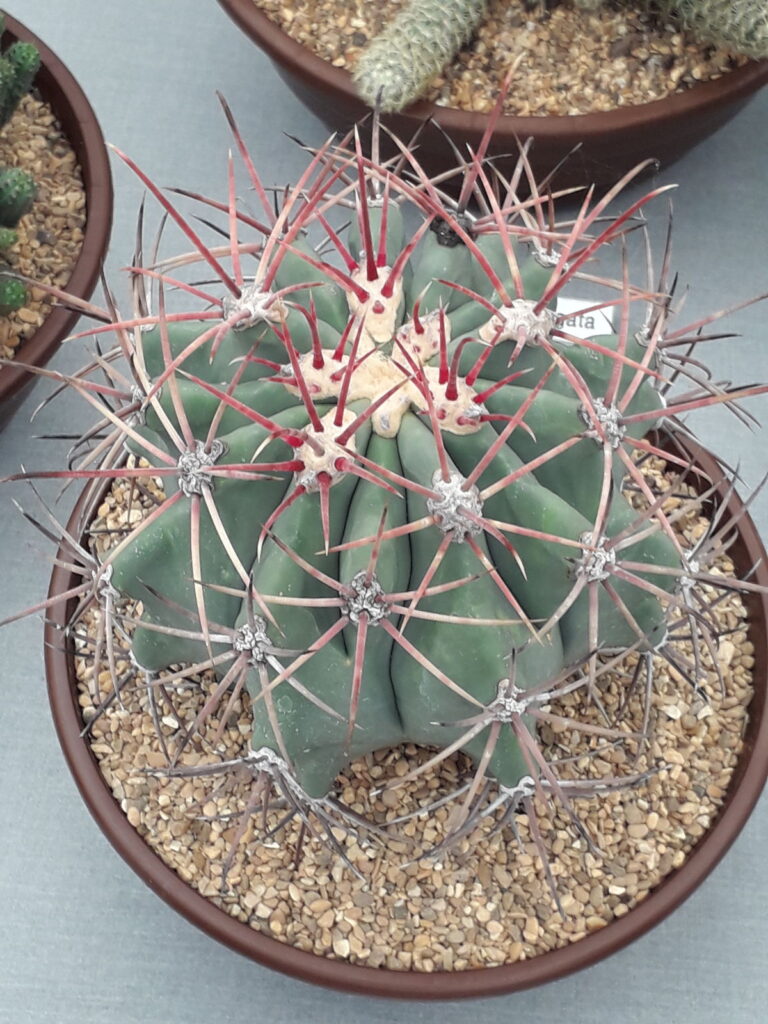
3. Fero Emoryi Cactus
Fero Emoryi cactus, also known as red thorn cactus, is one of the most popular cactus species in the bonsai world.
4. Mytilo cactus
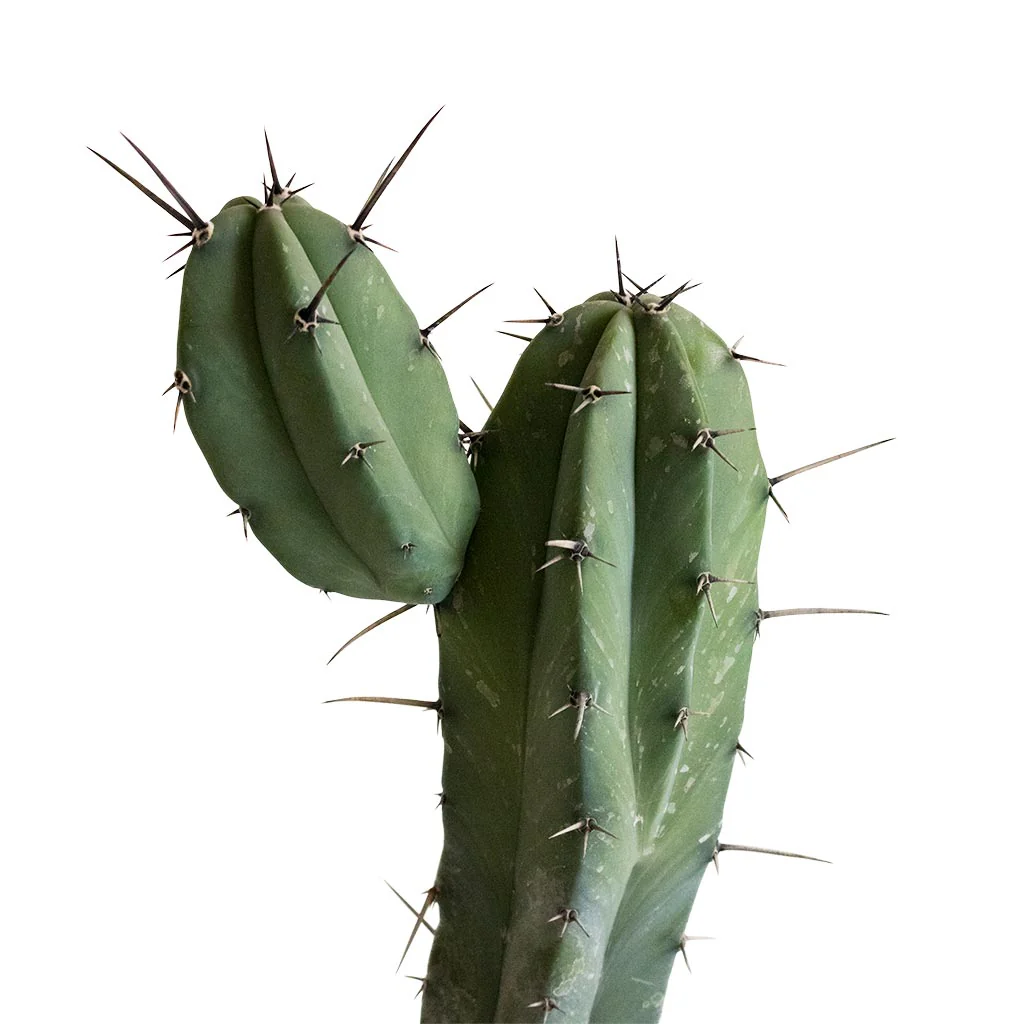
Mytilo cactus is one of the most popular types of cactus today, especially chosen by many people to decorate their homes or shops. With a rather "gentle" appearance due to few thorns and diverse green shades depending on the type, Mytilo cactus brings a simple yet attractive beauty.
5. San Pedro Cactus
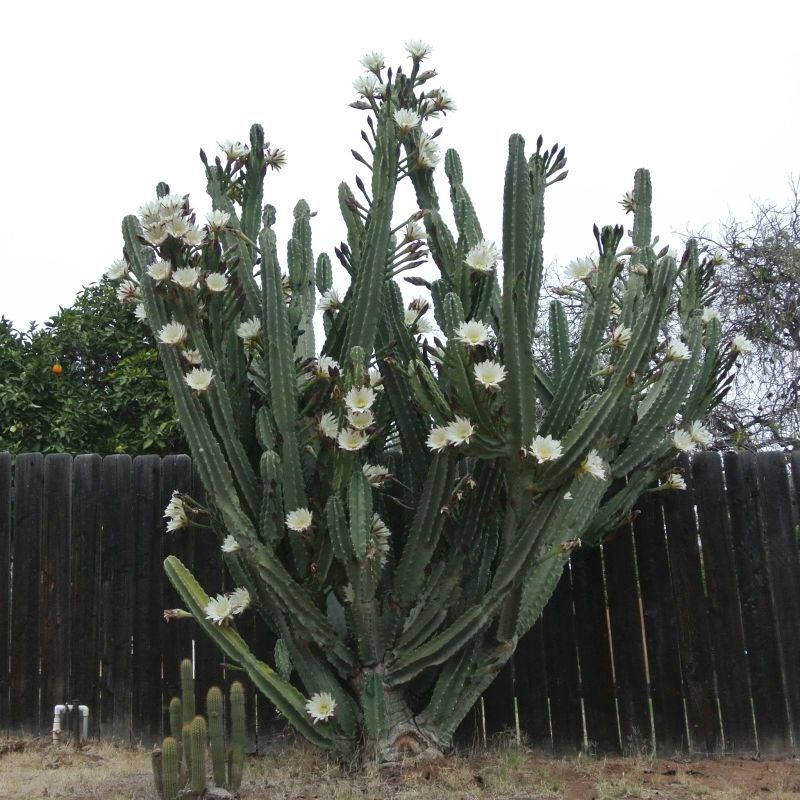
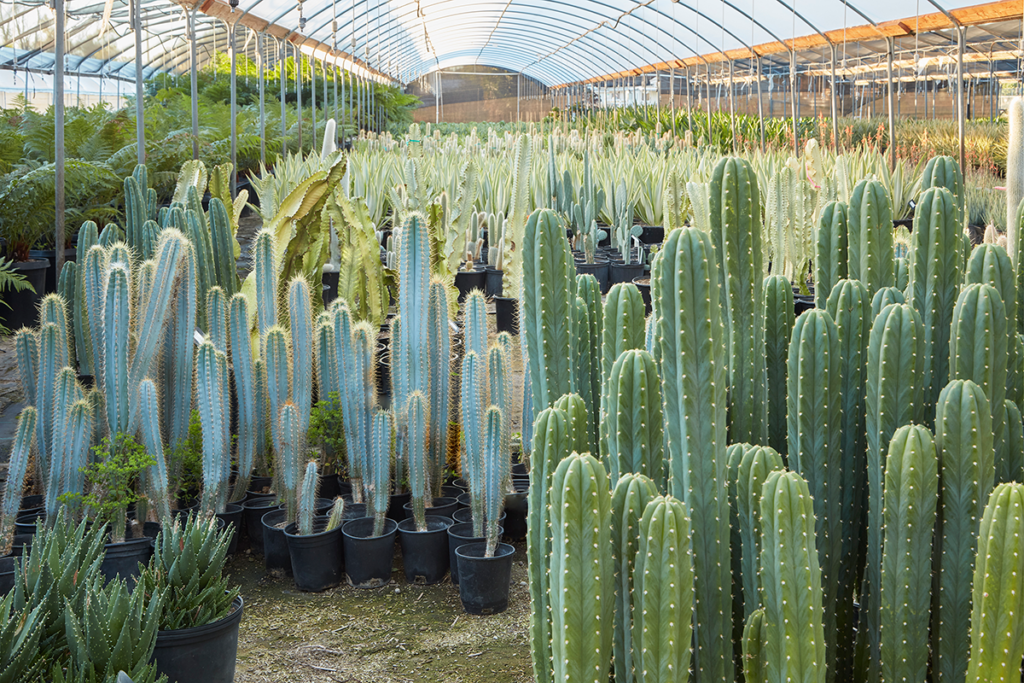
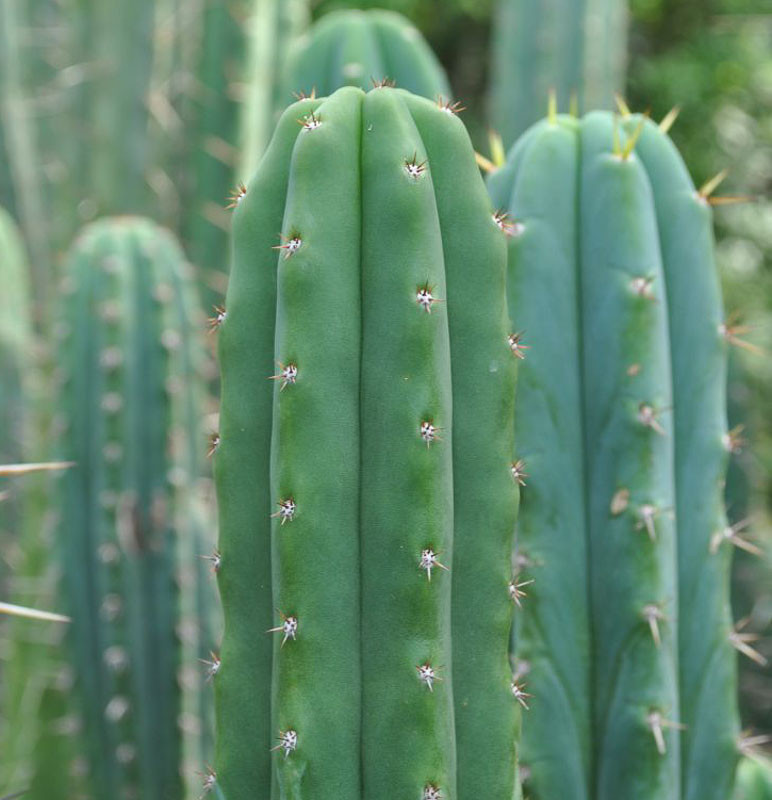
The stem is columnar, multi-faceted, usually dark green. The thorns are clustered, short and soft. Can grow very large, up to several meters tall in the wild. Native to the Andes, mainly in Peru and Ecuador. However, it is now widely cultivated in many parts of the world, including Vietnam.
6. Dragon scale cactus
Dragon scale cactus is a common name for several species of cacti that have in common the trunk being covered with triangular scales, stacked on top of each other like the scales of a dragon.

7. Cactus pillar
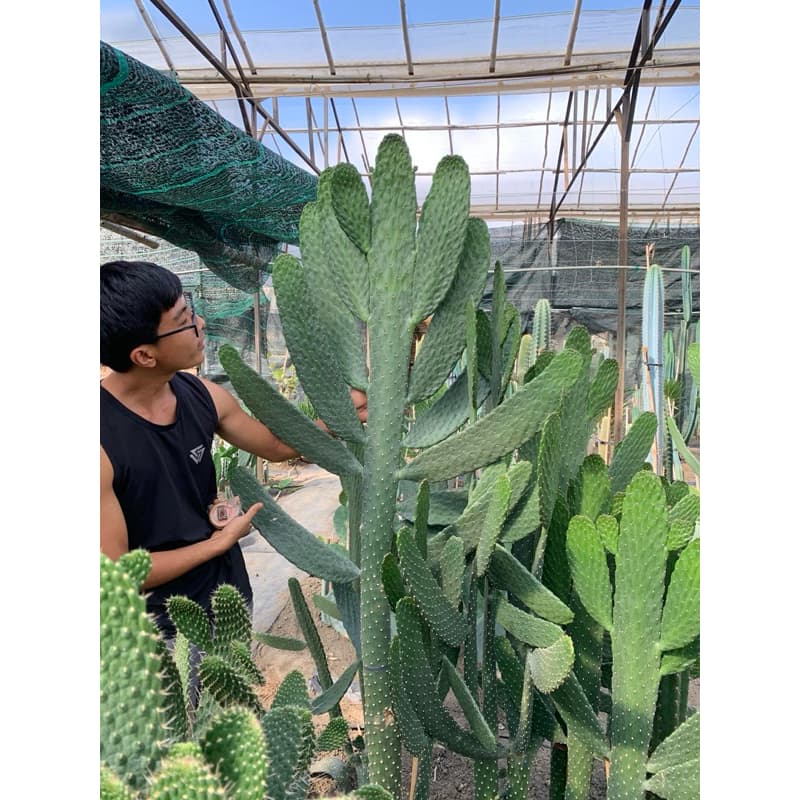
Cereus peruvianus is a famous columnar cactus from Peru, loved for its unique beauty and high adaptability. The plant has a characteristic shape with a vertical trunk, many branches forming impressive pillars.

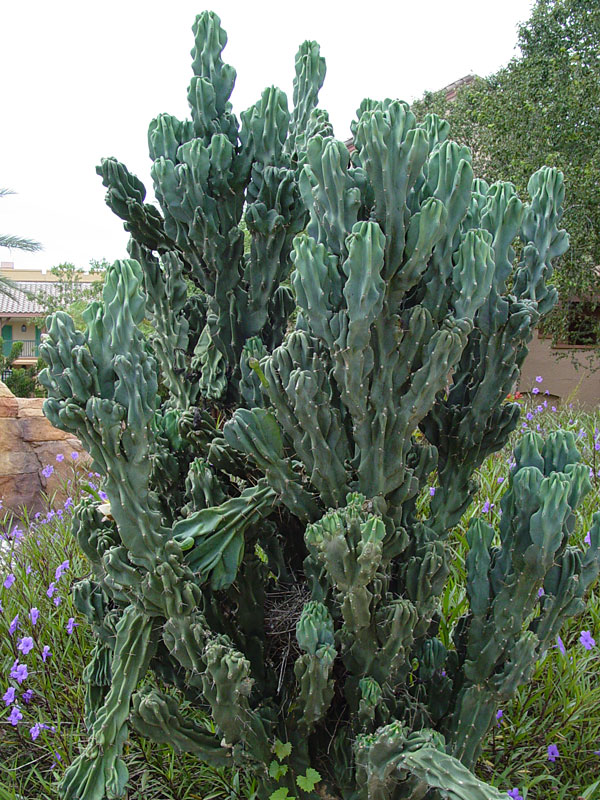
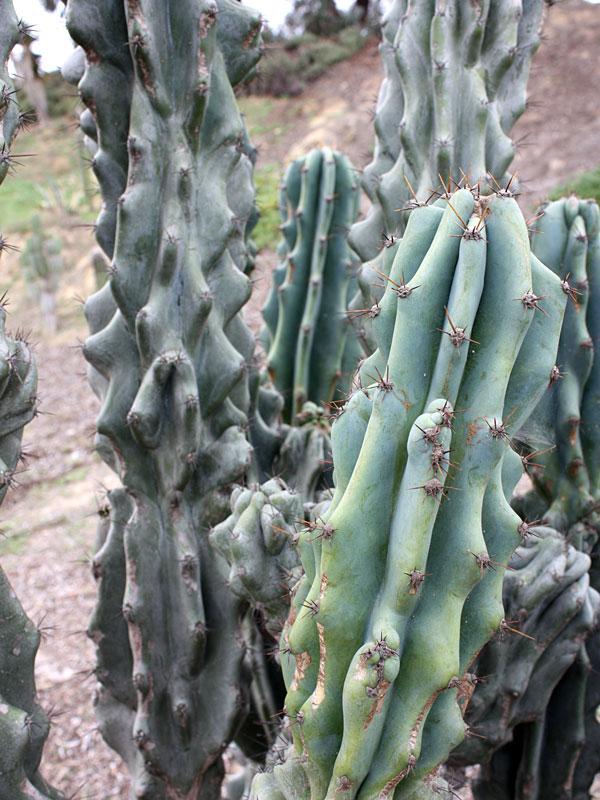
8. Cactus (lion)
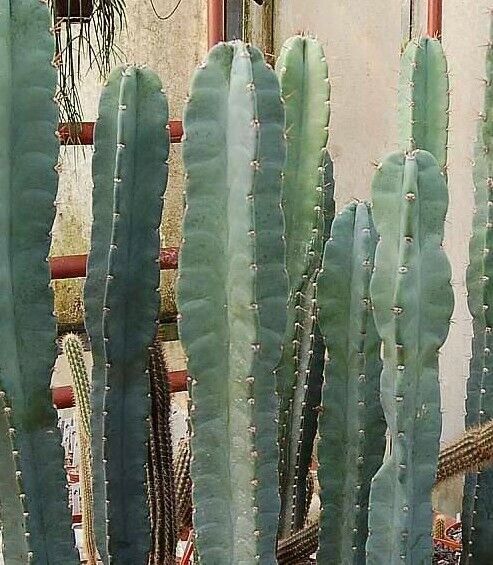
Cereus peruvianus ‘Monstrosus’ còn gọi là xương rồng khế hay xương rồng sư tử là một biến thể độc đáo của loài xương rồng trụ Peru (Cereus peruvianus).
9. Cactus with breast
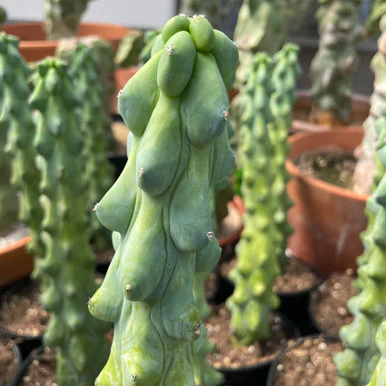
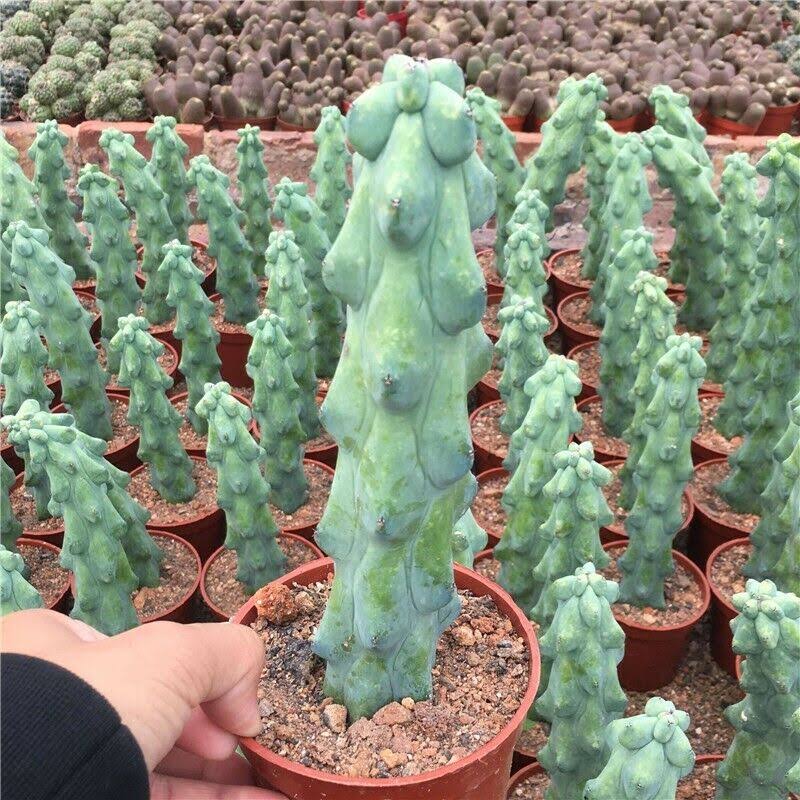
Myrtillocactus geometrizans ‘Boobie Cactus’ hay còn gọi là xương rồng trụ vếu, là một loài xương rồng độc đáo và thú vị, có hình dáng đặc biệt giống như những chiếc bầu dục. Loài cây này có nguồn gốc từ Mexico và được yêu thích bởi vẻ đẹp độc đáo và khả năng thích nghi cao.
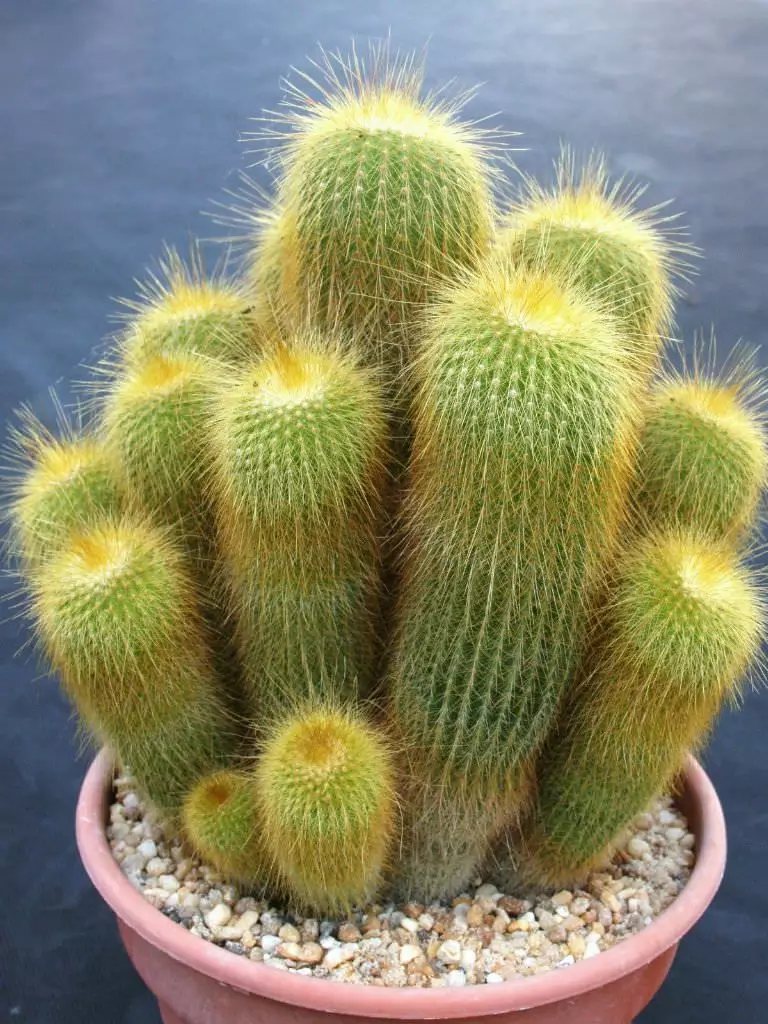
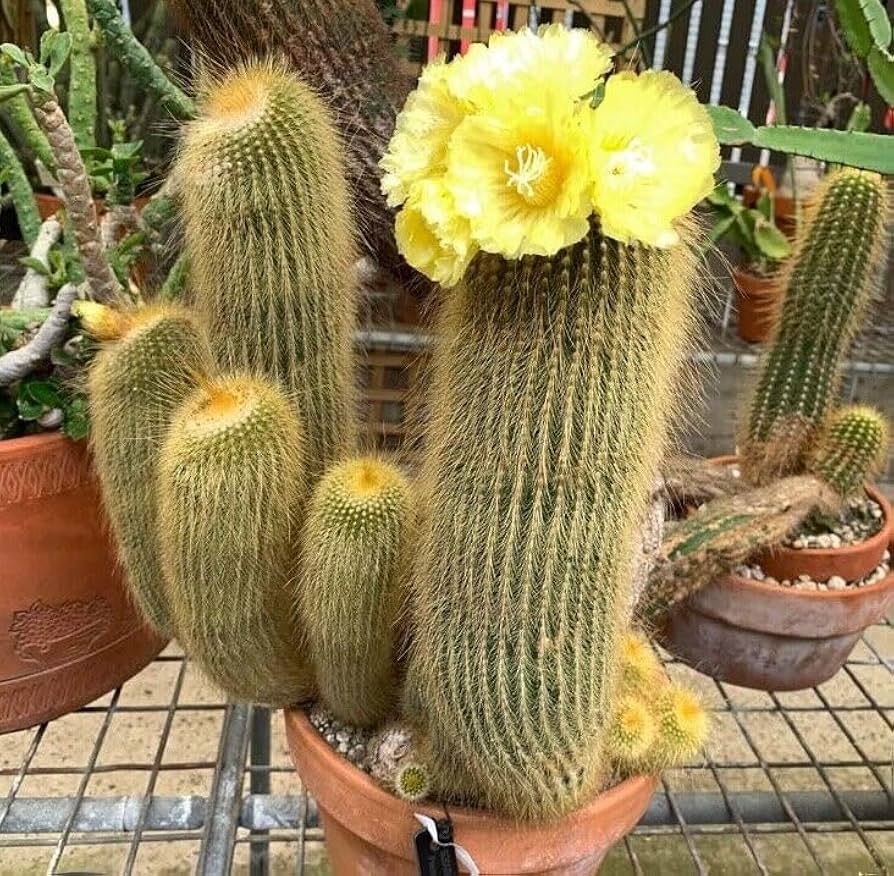
10. Woolly cactus – Parodia leninghausii
Parodia leninghausii, còn được biết đến với cái tên Notocactus leninghausii, là một loài xương rồng vô cùng đặc biệt và được yêu thích bởi những người chơi cây cảnh. Với vẻ ngoài tròn trịa, gai vàng óng ánh và những bông hoa rực rỡ, loài cây này xứng đáng được mệnh danh là “viên ngọc vàng” của sa mạc.
11. Bunny Ear Cactus
Echinocactus grusonii, hay còn được biết đến với cái tên xương rồng Kim Hổ, là một trong những loài xương rồng được yêu thích nhất trên thế giới. Với vẻ ngoài độc đáo và khả năng thích nghi cao, loài cây này đã chinh phục trái tim của nhiều người yêu cây cảnh.
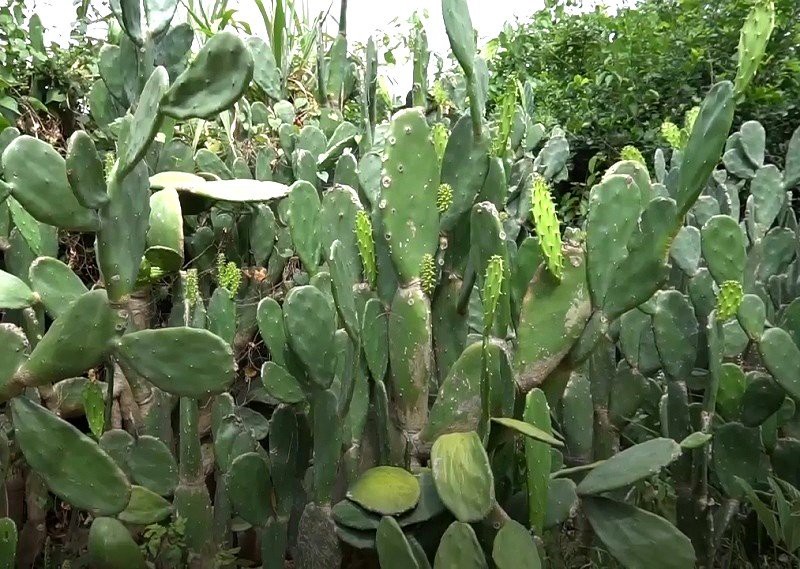
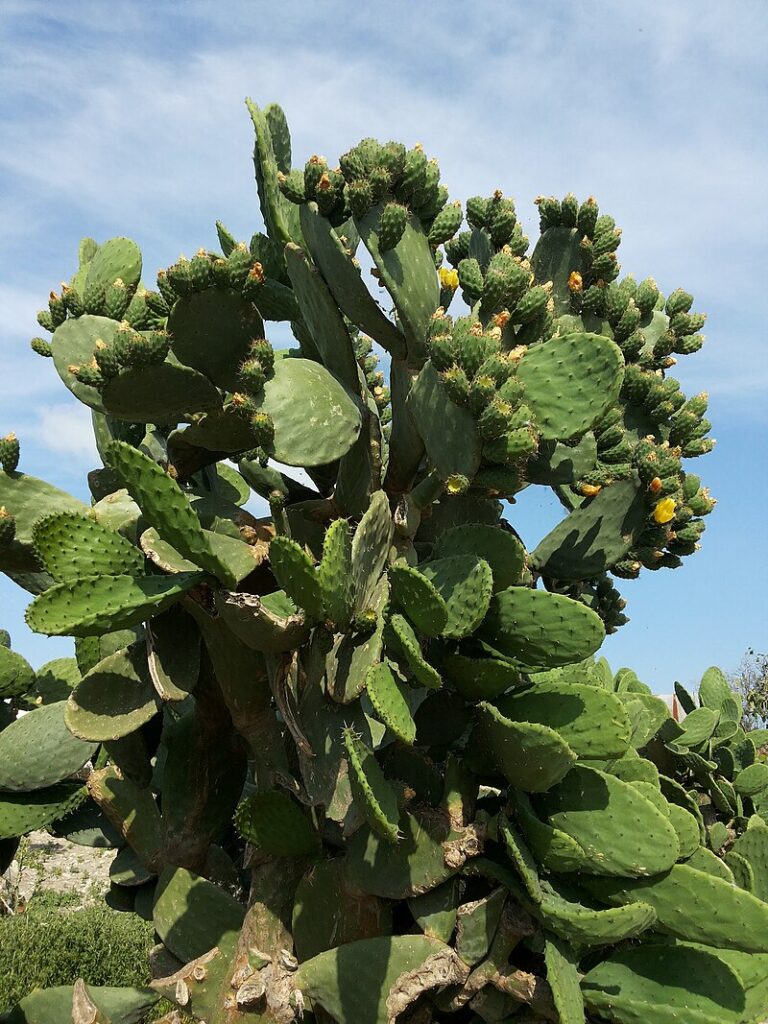
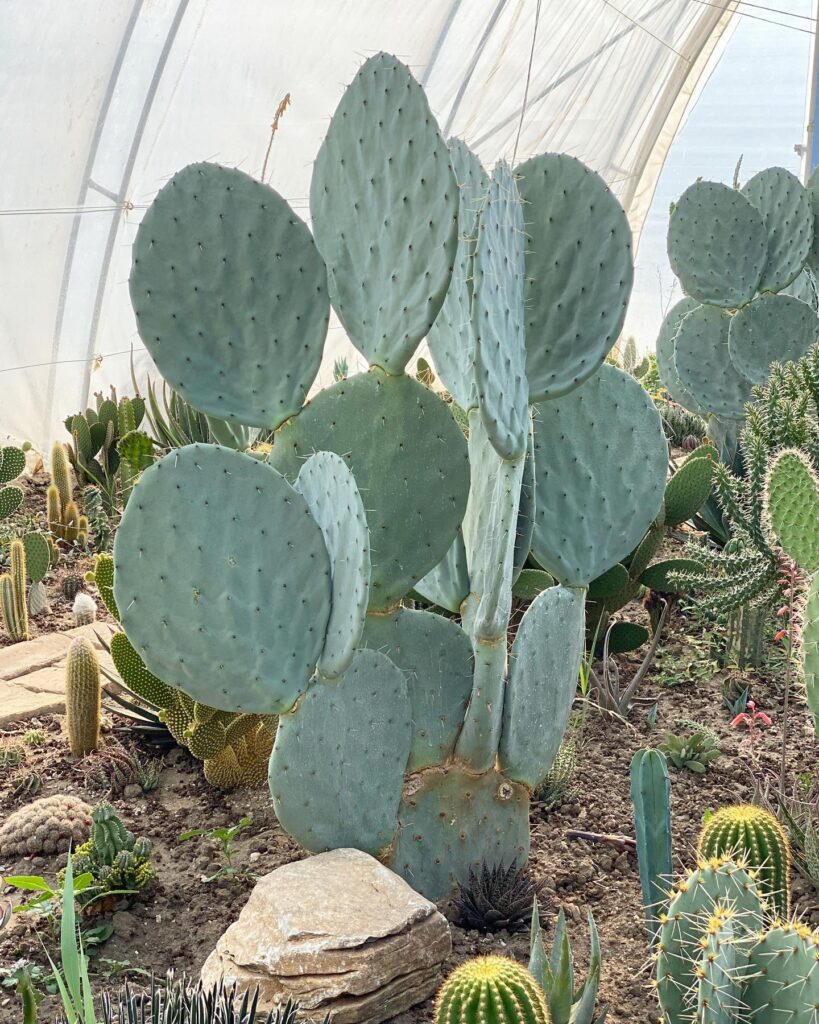
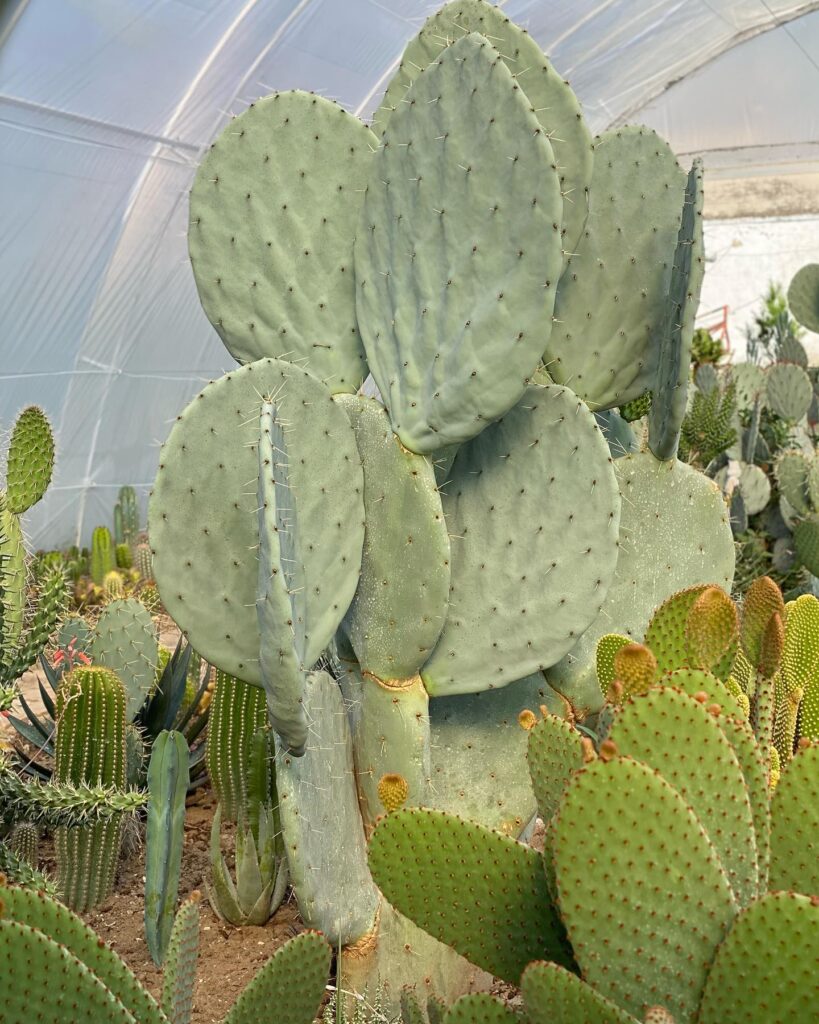
12. Elephant ear cactus
Opuntia robusta, thường được biết đến với tên gọi xương rồng tai voi, hay Silver Dollar Prickly Pear, là một loài thực vật thuộc họ Cactaceae, có nguồn gốc từ miền trung và miền bắc Mexico. Loài cây này nổi bật với những mảnh thân phẳng, tròn như những chiếc bánh xe bạc, cùng với những chiếc gai sắc nhọn.
Những điều cần lưu ý cho người mới khi trồng cây xương rồng
Khi mới trồng xương rồng, điều quan trọng nhất là không tưới quá nhiều nước. Xương rồng ưa khô, chỉ tưới khi đất thật sự khô hoàn toàn. Chọn đất thoát nước tốt (đất pha cát, sỏi, đá pumice) để tránh úng rễ. Đặt cây ở nơi có nhiều ánh sáng, nhưng tránh nắng gắt trực tiếp khi cây còn non.
See also: Ánh sáng cho cây trong nhà: phân loại, hướng dẫn chi tiết
Không bón phân quá thường xuyên, chỉ cần lượng nhỏ trong mùa sinh trưởng. Cuối cùng, hãy kiên nhẫn: xương rồng lớn chậm nhưng rất bền nếu được chăm sóc đúng cách.
Xem thêm cây tại Thư viện cây xương rồng của KLA.