Image source: Internet (Please contact us if you find any copyright infringement)
Canna paniculata
| Surname | Cannpeptide |
|---|---|
| Leaf color | dark green, brownish green |
| Leaf shape | hình bầu |
| Flower | multicolor |
| Tăng trưởng | medium to fast |
| Breeding | Sow seeds, separate offspring. |
| Diseases & Pests | Fungi, spider mites, mealybugs, root rot |
Canna paniculata has a stem about 2–3 m tall with large leaves growing densely along the stem. The flower clusters grow in many tiered branches resembling a panicle, creating a rather distinctive flower shape. The flowers are usually red or orange, standing out against the dark green leaves.
Note: The above information is only relative, the living conditions of the tree also depend a lot on other objective factors.
How to grow and care for Canna paniculata
Difficulty of growing Canna paniculata
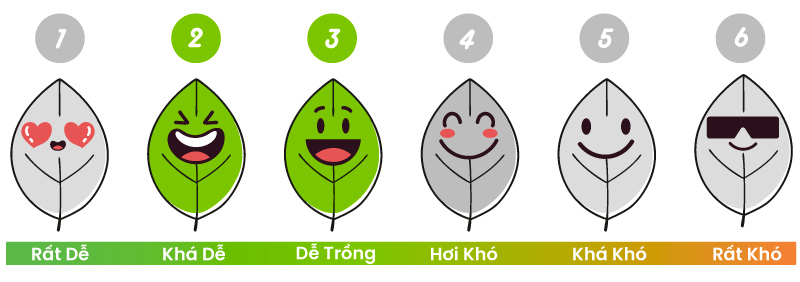
Difficulty: 2-3/6
Canna paniculata is a fast-growing, easy-to-cultivate tropical herbaceous plant with vibrant flowers, suitable for both novice gardeners and those who enjoy garden landscaping or growing it in pots for decoration.
✅ Grows quickly and flowers regularly if given sufficient light and moisture.
✅ Withstands heat and strong sunlight well.
✅ Resistant to pests and diseases, bulbs are temporarily drought-tolerant.
🚫 Do not tolerate prolonged waterlogging – roots and tubers are prone to rot if the soil retains water for too long.
Soil for growing Canna paniculata

Canna paniculata thrives in nutrient-rich, loose, well-drained soil that retains moisture moderately. In nature, it grows along rivers, in fields, in moist areas, and in humus-rich or loamy soils.
📌 Recommended soil mix:
✅ 2 parts light loam soil or humus-rich potting soil.
✅ 1 part coarse sand or perlite/pumice (helps with drainage and prevents waterlogging).
✅ 1 part well-rotted organic fertilizer, coconut fiber, burnt rice husk, or decaying bark (to retain moisture and create a loose, porous texture).
🚫 Avoid:
❌ Clay is heavy and retains water for a long time.
❌ The soil is poor in nutrients if supplemental fertilizer is not applied.
💡 Important note:
✅ The planting pot must have drainage holes.
✅ Do not plant the bulbs too deep – the bulbs should be shallow, covered with about 2–3 cm of soil.
✅ Apply organic fertilizer or slow-release fertilizer every 4–6 weeks during the growing season, reducing fertilization during the dormant season.
Suitable light conditions for Canna paniculata plants.

🔆 The best time to look for the full sun or partial sun is during the morning.
📌 Details:
✅ Best: Grow in a location with 6–8 hours of direct sunlight per day.
✅ Tolerates: Partial light, but the plant will flower less and have pale green leaves.
✅ Avoid: Places that are too dark or have weak light – the plant will grow tall, have thin leaves, and produce few flowers.
💡 Note:
-
Pale yellow leaves or elongated stems can be signs of insufficient light.
-
If placed indoors, LED grow lights can be used to support plant growth, positioned 30–60cm away from the plant and shining for 10–12 hours per day.
📍 Ideal location:
-
South/West-facing gardens, balconies, and flowerbeds.
-
Indoors, near a bright window or under strong artificial light.
The ideal temperature for Canna paniculata plants.

🌿 Ideal temperature: 20 – 30°C
Cannaceae prefer warm climates and thrive when temperatures are stable.
Note:
✅ Avoid cold winds and sudden drops in temperature.
✅ Do not leave outdoors if the temperature is below 10°C.
✅ If it gets too hot (>35°C), water to keep the soil moist and provide shade from strong sunlight.
📍 Signs that your plant is being affected by temperature:
🚫 Too cold: Leaves turn yellow, become soft and wilted, and the plant stops growing.
🚫 Too much heat: Leaves wilt, leaf edges dry out, few or no flowers bloom.
Watering Canna paniculata plants

Canna paniculata is a group of plants that prefer moist conditions but cannot tolerate prolonged waterlogging. The golden rule: keep the soil consistently moist, avoiding waterlogging.
📌 Watering principles:
✅ Only water when the topsoil is about 2–3 cm thick (or when the soil feels dry to the touch).
✅ Water thoroughly once to allow the water to penetrate evenly to the roots, then allow the soil to drain completely before watering again.
✅ Increase watering during the growing season (spring-summer) when the plant produces many leaves and flowers.
✅ Reduce watering during cold seasons or when the plants are not growing well.
🚫 Avoid:
❌ Watering according to a fixed schedule without checking the soil beforehand.
❌ Do not let the pot be submerged in water or the soil remain constantly wet.
❌ Watering the bulbs directly too much can easily cause root rot.
📍 How often should I water them?
-
Hot season / growing season:
➡️ 2–3 times/week (in a basin).
➡️ 1–2 times/week (when planted in the ground). -
Cold season / holiday season:
➡️ Once a week or when the soil is almost completely dry.
📍 Signs of overwatering:
🚫 Leaves are yellow, soft, and wilted.
🚫 Soft, rotten tubers/roots with an unpleasant odor.
🚫 The flowers are few or not blooming at all despite sufficient sunlight.
Humidity for Canna paniculata plants

Canna paniculata prefers medium to high humidity (50–70°F), but can tolerate slightly dry air.
📌 Features:
✅ No artificial humidification is needed in normal environmental conditions.
✅ Can thrive in air-conditioned rooms or in dry outdoor conditions.
🚫 Prolonged high humidity combined with moist soil increases the risk of root rot and fungal diseases.
Recommendation:
-
Plant in a well-ventilated area, avoiding areas where water accumulates.
-
Do not place it near a fish tank or in a humid greenhouse for extended periods.
-
You can group the plants together to increase natural humidity around the leaves.
The ideal pH level for Canna paniculata plants.

📌 Soil pH: 6.0 – 7.0 (neutral to slightly acidic)
🌿 Too acidic (<5.5): the plant absorbs nutrients poorly, leaves are pale, and flowers are few.
🌱 Too alkaline (>7.5): prone to micronutrient deficiencies, yellowing leaves, few or no flowers.
💡 Tips for adjusting pH:
-
Mix in coconut fiber, well-rotted organic fertilizer, or a little dolomite lime if the soil is too acidic.
-
If the soil is too alkaline, add humus-rich potting soil or neutral organic fertilizer.
Pet-friendly
Cannaceae are relatively safe for dogs, cats, and humans, but some species, if their leaves or tubers are eaten fresh, can cause:
⚠️ Mild diarrhea, bloating.
⚠️ May cause irritation to the mouth, tongue, or throat if consumed directly in large quantities.
🚧 Safety measures:
-
Keep the plant out of reach of pets and young children.
-
Do not leave bulbs or leaves on the ground where pets can gnaw on them.
💡 Additional notes:
💡 Growth: The plant produces leaves and flowers quickly, but needs moist soil and plenty of sunlight to reach its full flower color.
💡 Flowering: Typically blooming during the warm season, each bulb can produce multiple flowers at the same time.
💡 Fertilizing: Prioritize organic fertilizers or slow-release fertilizers; limit high-nitrogen fertilizers which can cause leaves to become soft and weak.
💡 Repotting: Once or twice a year, or when the bulb becomes too large and the old soil has lost its nutrients.
💡 Breeding: Primarily through separating tubers or sowing seeds, it has a faster growth rate than Cycadaceae.
💡 Leaf cleaning: Regularly wipe the leaves to increase photosynthesis and avoid using chemicals that make the leaves shiny.
💡 Support for development: Remove withered flowers and old leaves so the plant can focus on nourishing new leaves and flowers.

Indoor Plant Care Guide
The most important and basic knowledge about growing plants indoors:
Content is subject to content moderation by Long Hồ – Founder, Senior Plant Copywriter, Gardener
Learn about Chính sách biên tập From KLA Garden. You can contact us to write articles or create content; payment will depend on the quality of your content. Contact Long Ho: hofilong@gmail.com.