Image source: Internet (Please contact us if you find any copyright infringement)
Encephalartos ferox (South African Red Cinnamon)
| Surname | Cycadaceae |
|---|---|
| Leaf color | dark green |
| Leaf shape | feather shape |
| Tăng trưởng | chậm |
| Breeding | Sow seeds, separate offspring. |
| Diseases & Pests | Fungi, mealybugs, root rot |
Encephalartos ferox, also known as South African Red Palm, This is one of the most sought-after ornamental cycad species thanks to its unique combination of spiky appearance and vibrant colors. Its distinctive feature is its dark green, sturdy leaves with sharp, serrated edges like thorns. However, its true appeal lies in... cones The plant's characteristics: when mature, the tree produces cones that are a strikingly vibrant orange-red or bright red, standing out completely against the green foliage. Originating from the coastal regions of South Africa, this cycad species not only brings a wild tropical feel but also symbolizes nobility and a unique bonsai style.
Note: The above information is only relative, the living conditions of the tree also depend a lot on other objective factors.
How to grow and care for South African Red Cycads
The difficulty of growing South African Red Cycad
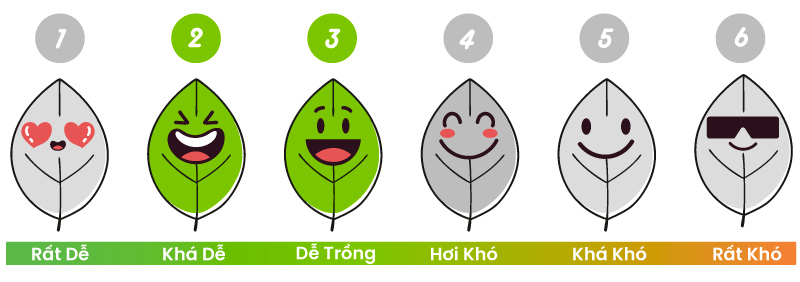
Difficulty: 2-3/6
South African red cycads are an ancient group of plants that grow slowly but are extremely resilient, making them suitable for both novice and long-term collectors. However, some important characteristics should be noted:
✅ Drought tolerant, does not require frequent watering.
✅ Adapts well to hot environments and strong light.
✅ Very long lifespan, resistant to pests and diseases.
🚫 Highly sensitive to waterlogging – root rot easily occurs if the soil drains poorly.
🚫 Slow growth, not suitable if you need a fast-growing plant.
Soil for growing South African Red Cycad

South African red cycads require extremely well-drained, loose, mineral-rich soil that doesn't retain water for long periods. In nature, Cycadaceae plants typically grow in sandy loam, loamy soil, basalt soil, hillsides, coastal areas, or limestone mountainous soils.
📌 Recommended soil mix for Cycadaceae plants:
✅ 2 portions of potting soil or light, treated loam soil.
✅ 1 part coarse sand / pumice / lightweight gravel (helps with drainage and aeration).
✅ 1 part mature coconut fiber/coconut chunks/shredded pine bark/burnt rice husk (retains moisture slightly, creates a loose and airy texture).
✅ (Optional) A small amount of vermicompost or well-rotted organic fertilizer (as a base fertilizer).
🚫 Avoid using:
❌ Heavy clay
❌ Moist loamy soil
❌ Pure garden soil, not mixed with any growing medium.
💡 Important note:
✅ The pot must have large drainage holes.
✅ You can place lightweight stones or large pebbles at the bottom of the pot to prevent waterlogging.
✅ Do not plant the root collar too deep – the base of the stem should be slightly above the ground.
✅ Apply slow-release fertilizer or mild organic fertilizer every 2–3 months during the growing season (spring–summer), drastically reducing or stopping application during the cold season.
Suitable lighting for South African Red Cycad

🔆 Bright to partial sunlight is ideal.
📌 Lighting details:
✅ Best: Direct sunlight for 3–6 hours/day or strong light all day (garden, balcony, near a large window).
✅ Tolerant: Strong indirect light indoors, but the plant will grow more slowly and the leaves may become soft, elongated, and less vibrant.
🚫 Avoid:
- Prolonged lack of sunlight → small leaves, sparse canopy, weak stem.
- Continuous intense sunlight in dry, parched soil conditions will cause scorching of young leaf tips.
💡 Note:
- If the new leaves are small, soft, weakly curved, or pale in color, the plant is lacking sunlight.
- If the edges of the leaves are scorched and brittle → the sunlight is too strong or the soil is too dry.
📍 Ideal location: Sunny garden, east- or south-facing balcony, or indoors - next to a large window with strong light, no need for thick curtains.
The ideal temperature for the South African Red Cycad plant.

Cycadaceae are a group of tropical and subtropical plants that prefer warm and stable climates.
📌 Ecological characteristics:
✅ Very heat tolerant (many species can withstand temperatures above 35°C if the soil is dry and well-drained).
✅ Can tolerate mild, short-term cold if the soil is dry.
🚫 Prolonged temperatures below 5–7°C cause plants to stop growing and easily develop stem rot.
🚫 Cold temperatures + damp soil → very high risk of root rot.
Watering for South African Red Cycad plants

South African red cycads are more drought-tolerant than waterlogged, so the golden rule is: Better to have slightly less water than to overwater.
📌 Watering principles:
✅ Only water when the topsoil is completely dry (3–7 cm).
✅ Water thoroughly once, allowing the water to drain to the bottom of the pot, then let it dry completely before watering again.
✅ Significantly reduce watering during cold weather or when the plant is not producing new leaves.
🚫 Avoid:
❌ Water according to a fixed schedule.
❌ Do not fill the basin with water.
❌ The soil is always wet.
📍 How often should I water them?
Hot season/growing season:
➡️ Once every 7–10 days (per pot).
➡️ 10–14 days (outside the soil).
Cold season/holiday season:
➡️ Water every 2–4 weeks or almost stop watering altogether.
📍 Signs of overwatering:
🚫 Yellow leaves from the base.
🚫 Soft body, foul odor.
🚫 Root rot, slow plant recovery.
Humidity requirements for South African Red Cycad plants.

Cycadaceae thrive in medium to low humidity (40–65°F), and do not require artificial humidification.
📌 Features:
✅ Withstands dry air.
✅ No misting required.
🚫 Prolonged high humidity + damp soil → increases the risk of fungal diseases and root rot.
Recommendation:
- Do not place the plant in a poorly ventilated area, a humid greenhouse, or an area where water frequently accumulates.
- Plant in a well-ventilated area with gentle air circulation.
The ideal pH level for South African Red Cycad plants.
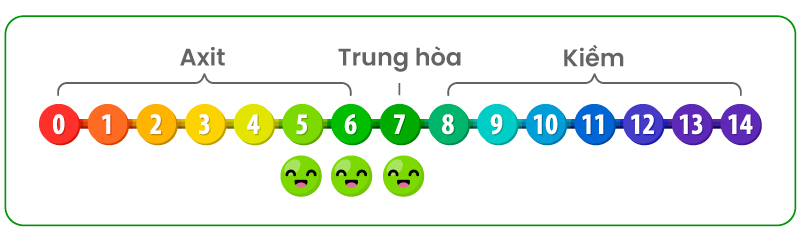
📌 Suitable soil pH: 6.0 – 7.5 (slightly acidic to neutral)
🌿 If the pH is too low (<5.5): plants absorb nutrients poorly and grow slowly.
🌱 If the pH is too high (>8.0): iron deficiency is likely, causing yellowing of young leaves.
💡 Tips for adjusting pH:
You can add mature coconut fiber, well-rotted organic fertilizer, or a little dolomite lime if the soil is too acidic.
Pet-friendly
All parts of the cycad plant — especially the seeds and young stems — contain toxins (cycasin and BMAA) that can cause:
⚠️ Vomiting, diarrhea.
⚠️ Severe liver damage.
⚠️ Neurotoxicity can occur if ingested in high doses.
🚧 Safety measures:
Keep the plant out of reach of children and pets.
Do not let the kibble fall on the ground where dogs or cats can eat it.
Wear gloves when handling seeds, stems, or sap.
💡 Additional notes:
💡 Growth rate: Very slowly, many species only produce one ring of leaves per year or less.
💡 Leaf emergence: Leaves typically grow in waves, not continuously. When new leaves appear, the plant needs stronger light and a slightly more consistent watering schedule.
💡 Fertilizing: Prioritize slow-release fertilizers and organic fertilizers, and limit high nitrogen fertilizers that can soften leaves.
💡 Repotting: Only repotting every 2–4 years, or when the roots are filling the pot, is sufficient; cycads don't like to be repotted frequently.
💡 Breeding: Mainly by seed or root cuttings (if available), very slowly.
💡 Leaf cleaning: Regularly wipe the leaves to increase photosynthesis, and avoid using chemicals that make the leaves shiny.

Indoor Plant Care Guide
The most important and basic knowledge about growing plants indoors:
Content is subject to content moderation by Long Hồ – Founder, Senior Plant Copywriter, Gardener
Learn about Chính sách biên tập From KLA Garden. You can contact us to write articles or create content; payment will depend on the quality of your content. Contact Long Ho: hofilong@gmail.com.